Begin With Plants
Begonia U192 AKA Martin's Mystery
Begonia U192 AKA Martin's Mystery
Couldn't load pickup availability
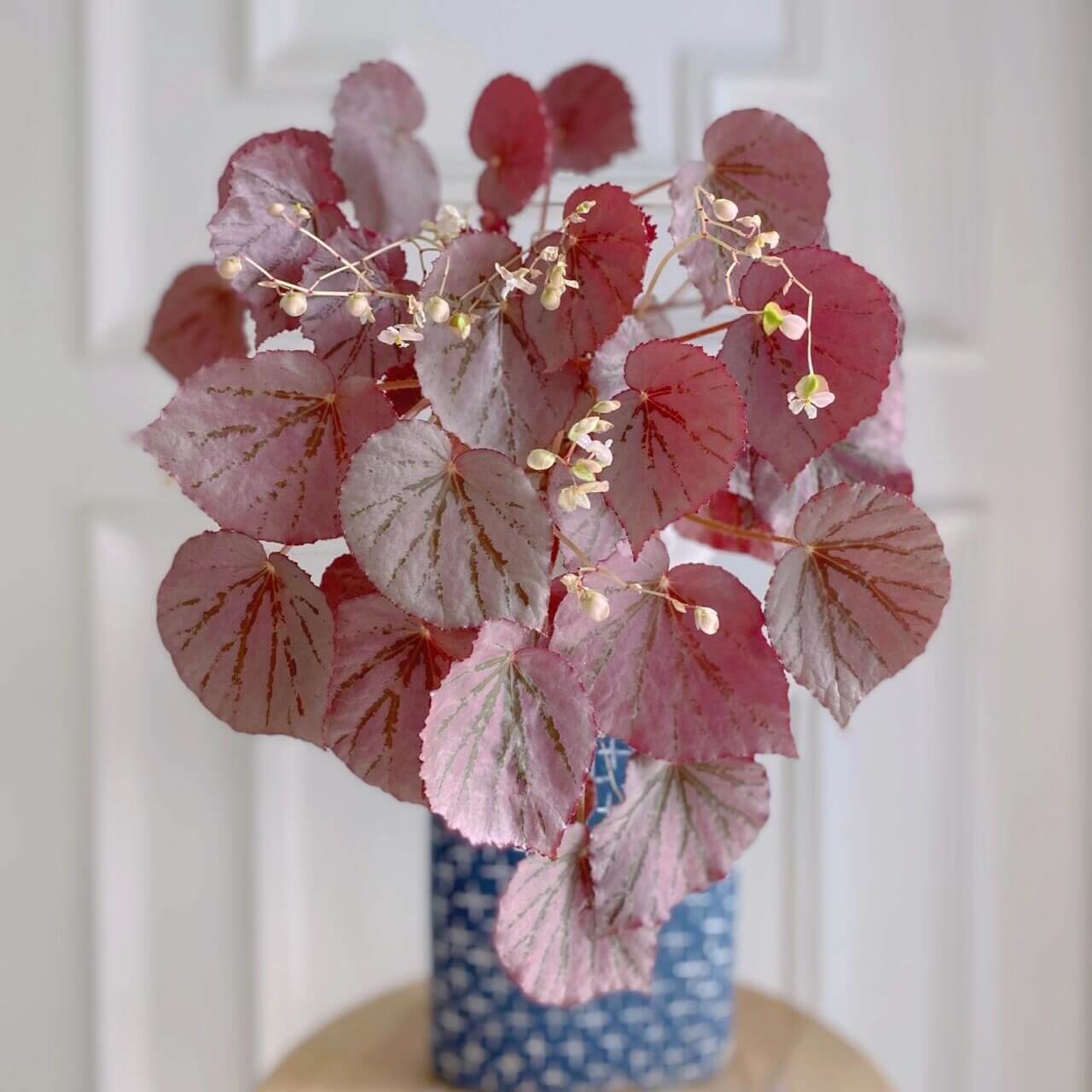
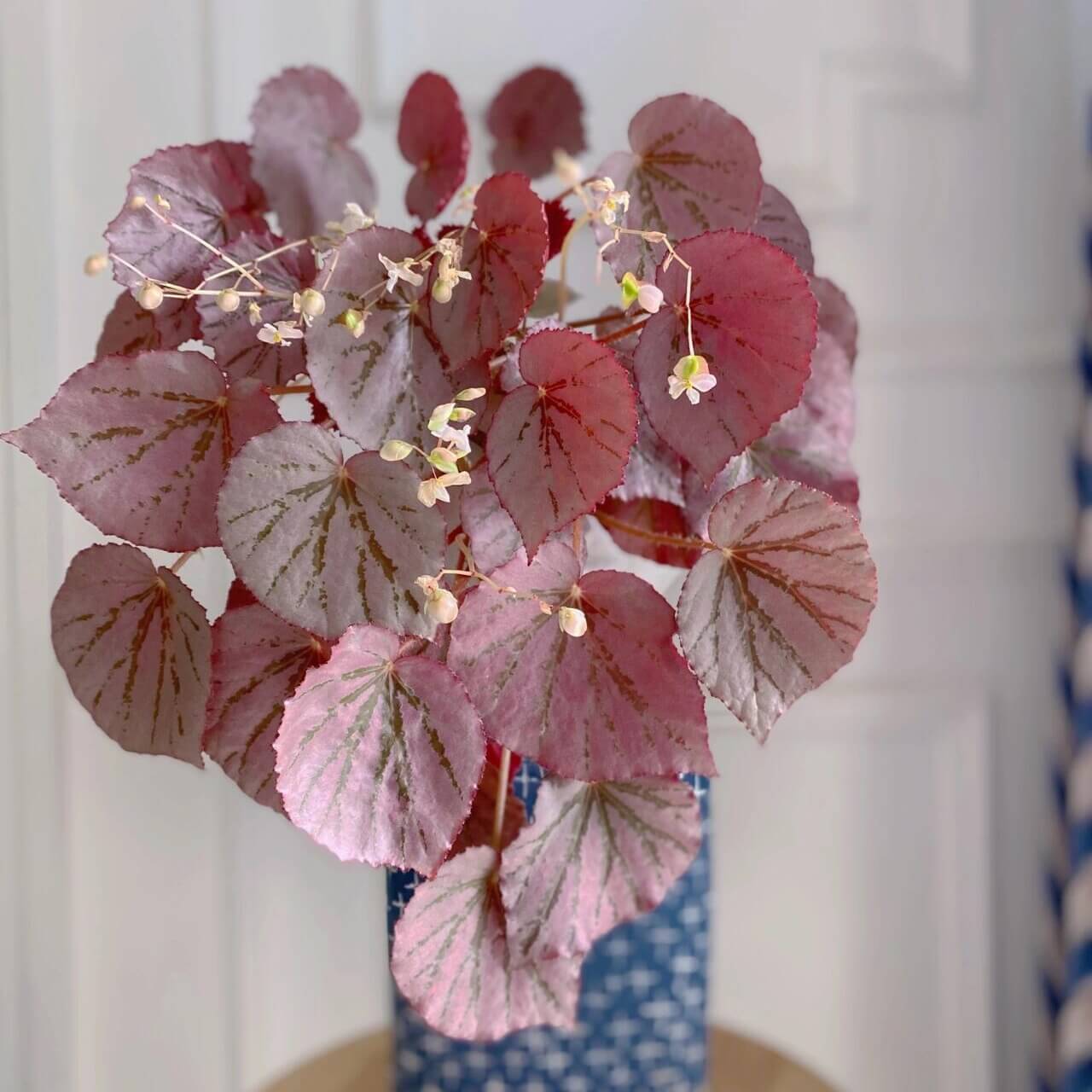
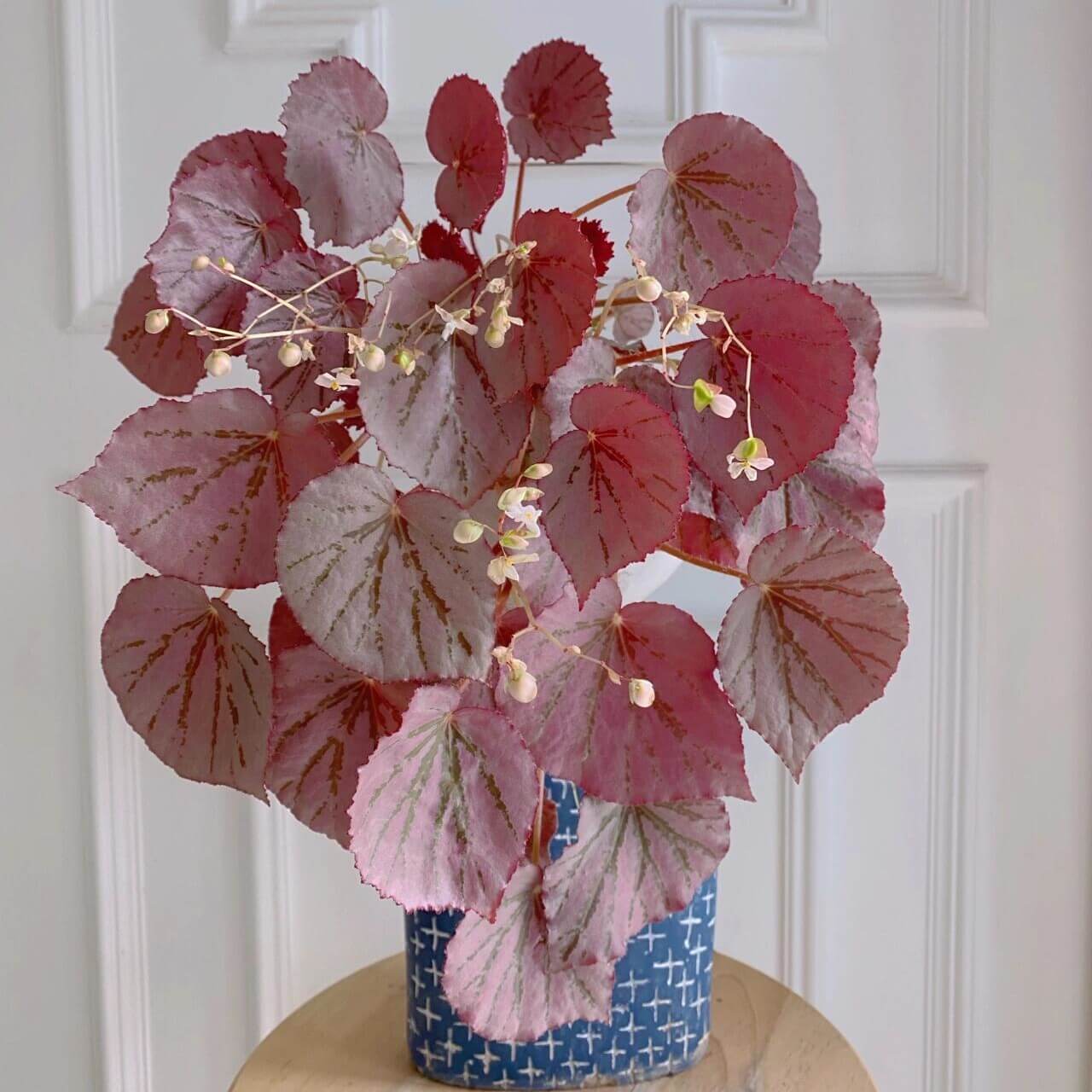
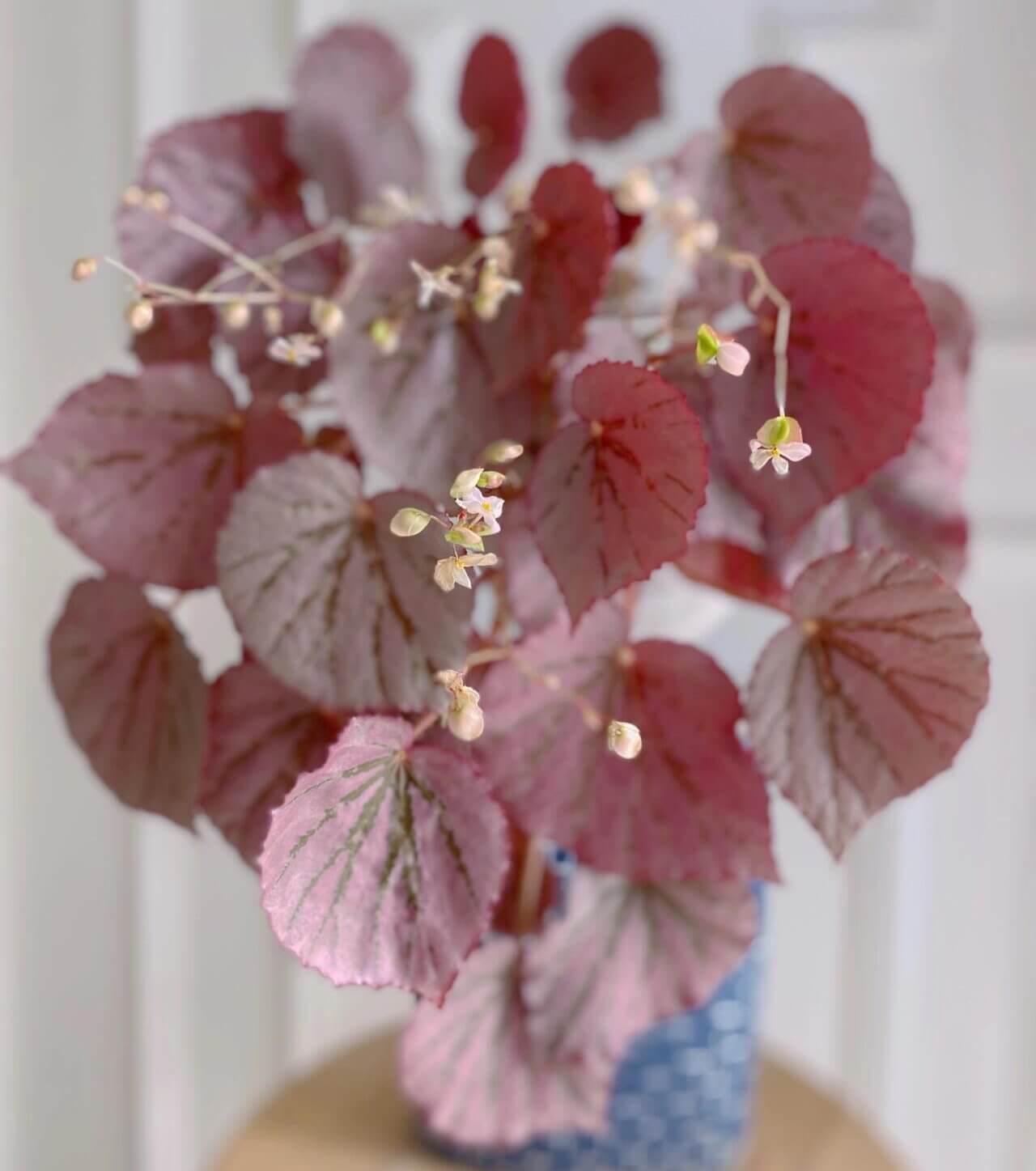
Begonia U192, also known as Martin’s Mystery, is a rhizomatous, creeping and compact species native to the Philippines. It features iridescent metallic foliage with rose-pink or silvery tones on the upper leaf surface and deep red undersides, complemented by reddish-brown hairs along the petioles and main veins. Typically reaching around 30 cm in height, this Begonia is highly prized for its striking appearance and is ideal as an indoor ornamental plant, a terrarium specimen, or for use in hanging baskets and small indoor pots.
Features:
-
This Begonia has iridescent metallic foliage — leaves often show rose-pink / silvery tones on top and dark red undersides, with petioles and main veins covered in reddish-brown hairs.
-
It is a rhizomatous, creeping/compact Begonia, typically reaching up to around 30 cm in height.
-
Because of its attractive foliage, it’s ideal as an indoor ornamental plant, terrarium plant, or for hanging baskets / small indoor pots.
Care Tips for Begonia U192 (Martin's Mystery):
-
Light: Prefers medium to bright, indirect light. Direct harsh sunlight may scorch leaves; too little light may reduce the metallic / pinkish sheen.
-
Water & Humidity: Keep substrate moist but well-draining. Water when the top ~2–3 cm of soil is dry; avoid letting water stand on leaves. Moderate watering + good humidity support healthy growth.
-
Soil/Container: Use a well-draining potting mix; a loose, airy mix is ideal. As a small/compact plant, a small pot or terrarium works well.
-
Environment: Prefers indoor conditions or a humid microclimate (e.g. terrarium, humid room). In dry indoor air, consider occasional misting or placing near a humidity tray.
-
Maintenance: Keep an eye on leggy stems — sometimes stems can become long and may need pruning or staking. Broken stems can often be propagated for recovery.
Share