Begin With Plants
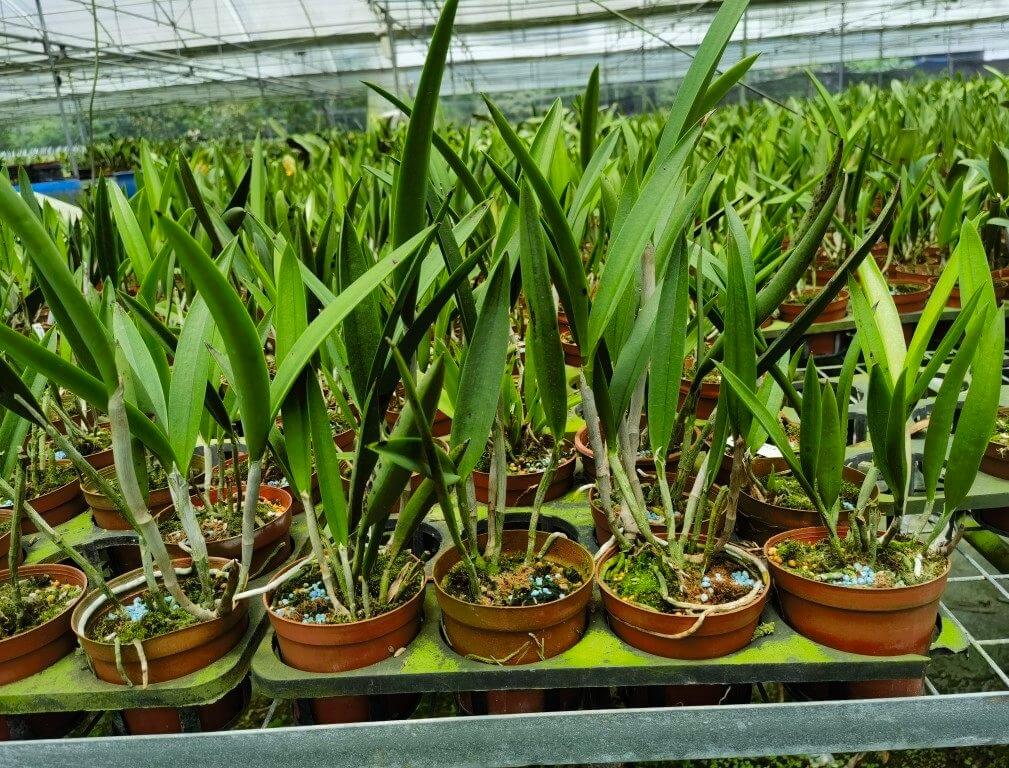
Brassocattleya Ploenpit Star
Brassocattleya Ploenpit Star
Couldn't load pickup availability
Brassocattleya Ploenpit Star (often abbreviated Bc. Ploenpit Star) is an intergeneric orchid hybrid in the Brassocattleya group, combining genetics from Brassavola and Cattleya to produce elegant, star‑shaped blooms with notable fragrance.
Parentage & Background:
-
Seed Parent: Brassavola subulifolia
-
Pollen Parent: Cattleya Landate
The hybrid’s lineage includes significant genetic influence from Brassavola subulifolia (giving refined star‑shaped flowers and potential fragrance) and Cattleya species such as Cattleya aclandiae and Cattleya guttata through C. Landate, contributing body and color variation to the blooms.
Care Tips:
-
Light: Provide bright, indirect light. An east- or west-facing spot with morning or late afternoon sun is ideal. Avoid harsh midday direct sun to prevent leaf burn.
-
Watering: Water thoroughly, then allow the potting medium to dry slightly between waterings. Avoid letting the plant sit in soggy media; good drainage is essential.
-
Humidity: Maintain moderate to high humidity (50–70%). Use a humidity tray or humidifier if your air is dry.
-
Temperature: Grow in warm conditions (~65–85°F / 18–29°C) with a slight nighttime drop; avoid temperatures below ~55°F (13°C).
-
Potting Medium: Use a well-draining orchid mix (bark, perlite, charcoal) to promote airflow around roots. Repot every 1–2 years or when the medium breaks down.
-
Fertilization: During active growth (spring to early fall), apply a balanced orchid fertilizer (e.g., 20-20-20) at half strength every 2–4 weeks; reduce feeding in cooler months.
-
Airflow: Ensure good air circulation around the plant to help prevent fungal and bacterial problems, especially with higher humidity.
-
After Bloom: After flowering, reduce watering slightly and keep light and temperature consistent to support rest and encourage the next bloom cycle.
Share