Begin With Plants
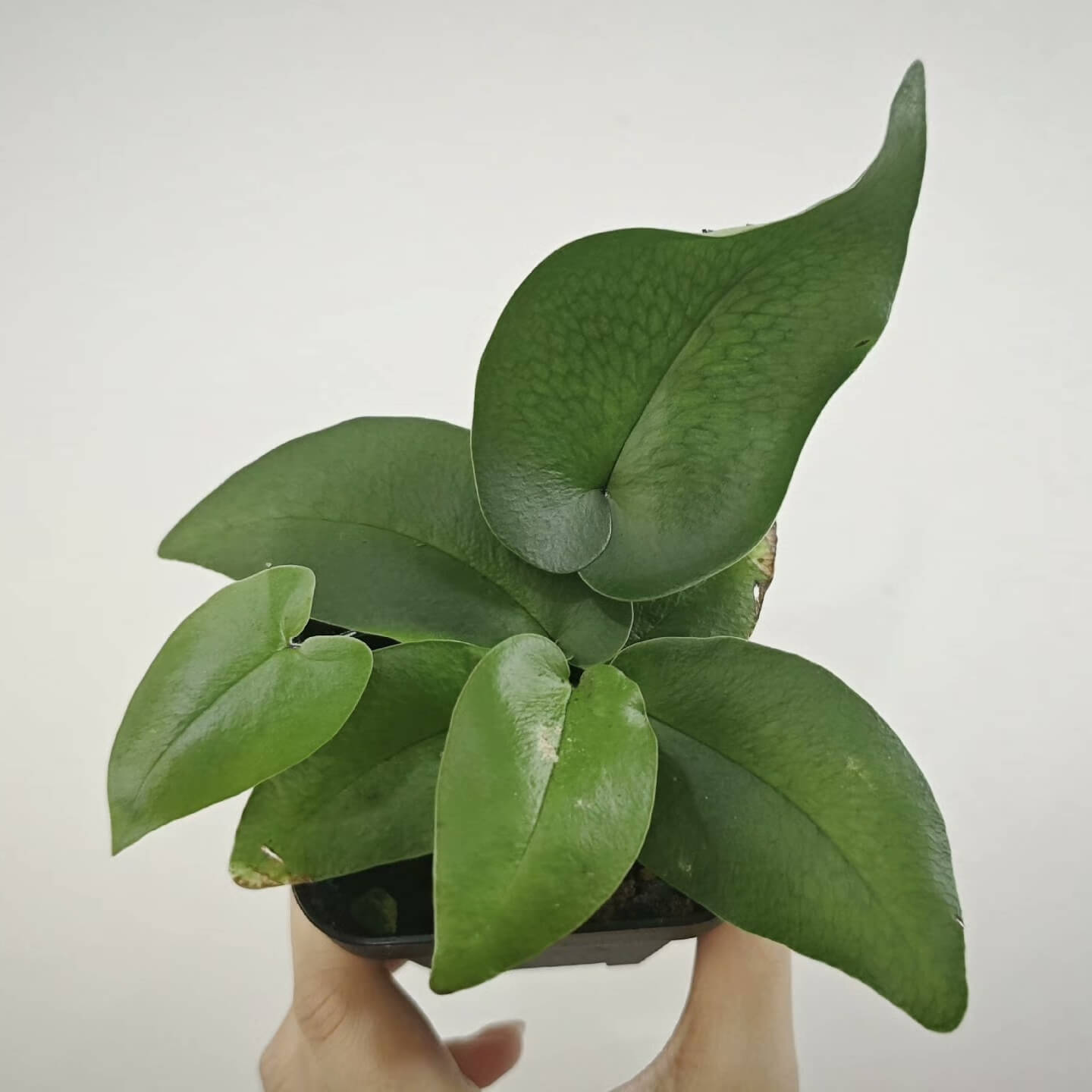
Calciphilopteris ludens
Calciphilopteris ludens
Couldn't load pickup availability
Calciphilopteris ludens is a fern species in the family Pteridaceae, subfamily Cheilanthoideae. It is widely distributed across tropical and subtropical Asia to northeastern Australia, occurring in regions such as India, Bangladesh, Southeast Asia, New Guinea, and Queensland. Typically terrestrial or lithophytic, this species grows on soil or rocks, with a particular affinity for limestone-rich (calcareous) habitats, and is often found in shaded, moist environments such as vine forests and rocky outcrops.
Features:
-
Rhizomes: Long-creeping, slender (approximately 3–4 mm diameter), with distinct bicolored scales.
-
Fronds: Dimorphic—meaning sterile and fertile fronds differ in form and size.
-
Sterile fronds: 4–45 cm long, ovate to cordate or palmatifid (up to 5 lobes), with leathery (coriaceous) texture; margins cartilaginous and veins raised and black on underside.
-
Fertile fronds: 20–65 cm long, broadly triangular and deeply pinnatifid, typically featuring three pairs of falcate lobes; sori (spore-producing structures) run continuously along the margins, with membranous, linear indusia.
-
-
Spores: Brown, smooth exospore with a coarsely wrinkled (rugose) perispore.
Care Tips:
Humidity & Environment
-
High humidity is a must—this fern thrives in extremely moist air. It’s considered not the easiest to grow due to its preference for humidity levels often above what typical homes provide.
-
Best location: consider placing it in a humid area like bathrooms or kitchens, or using humidity-boosting solutions such as pebble trays, misting, or a humidifier.
Watering
-
Maintain even, consistent soil moisture—avoid allowing the soil to completely dry between waterings, as that can stress the plant.
-
Water thoughtfully: if using a pot, ensure excess water drains freely and discard any water that collects in the saucer.
Light & Placement
-
Provide bright, indirect light, avoiding direct sun that may scorch its fronds. This mimics its native shaded vine forest or rocky outcrop habitat.
Soil & Drainage
-
Use a well-draining, rich soil mix, such as peat- or coco-based medium blended with perlite or coarse sand to maintain both moisture retention and drainage.
Fertilizing
-
Fertilize sparingly—typically during active growth, using a mild liquid fertilizer or rely on nutrient-rich potting mix.
Maintenance & Dormancy
-
Remove any brown or decaying fronds to encourage healthier new growth.
-
Over winter, reduce watering slightly but maintain humidity. Avoid overwatering while the plant is less active.
Share