Begin With Plants
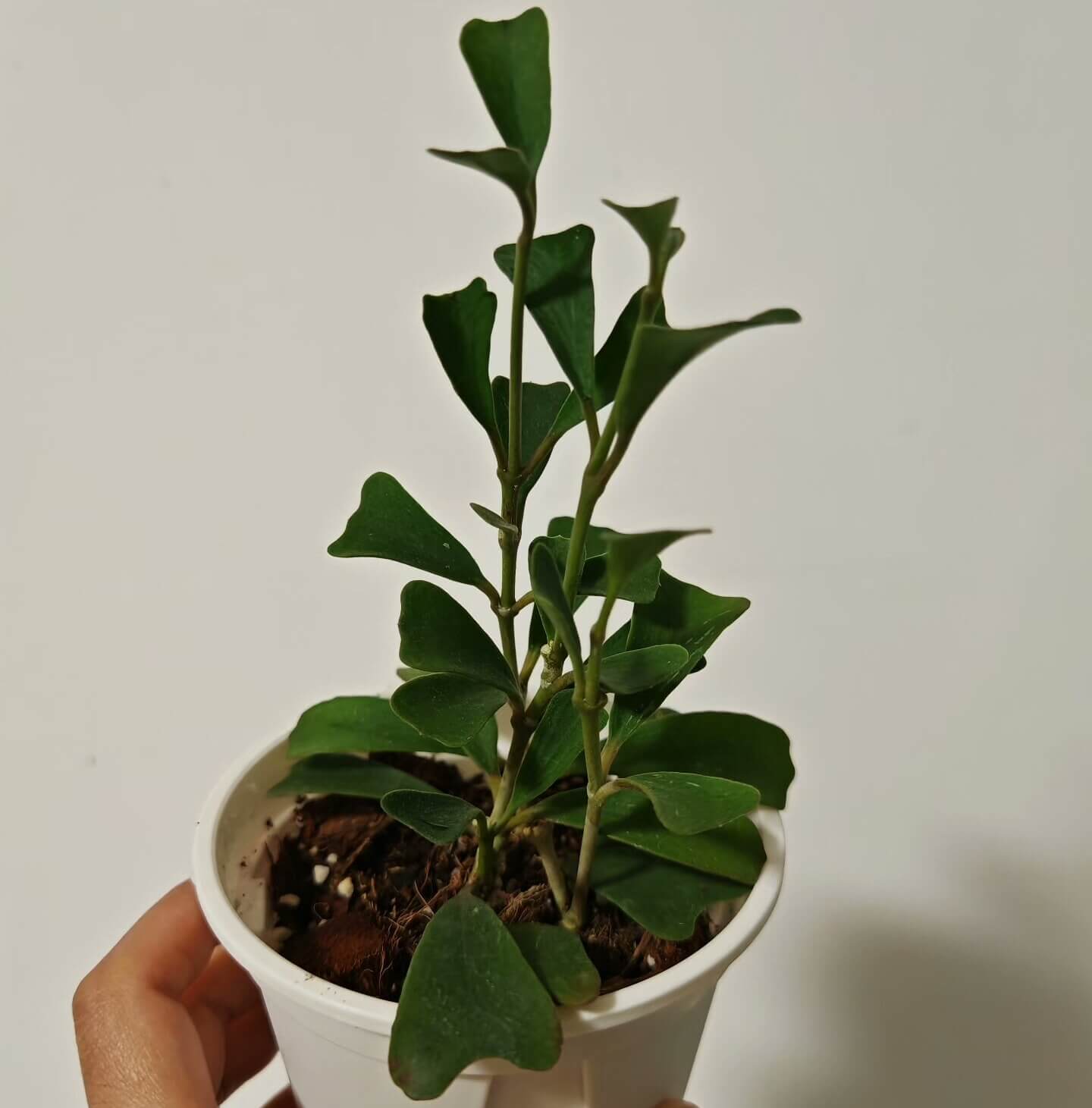
Hoya manipurensis
Hoya manipurensis
Couldn't load pickup availability
Hoya manipurensis is native to the montane forests of South and Southeast Asia, occurring in Eastern Nepal, southwestern Yunnan in China, Myanmar, and Thailand, where it typically grows as an epiphyte in humid evergreen forest habitats.
Features:
-
Leaves:
-
The foliage is distinctive: small, triangular or boomerang-shaped leaves.
-
Leaves are slightly fuzzy / velvety.
-
The plant can have a thick, semi-succulent texture in the leaves, which helps with water storage.
-
-
Growth Form:
-
While some Hoya species are vining, H. manipurensis may have a shrubby or more upright form.
-
It’s relatively slow-growing.
-
-
Flowers:
-
Produces small, tubular, star-like umbels of flowers.
-
Flower colors: pale yellow / cream to amber or even rosy tones, depending on source.
-
The scent is mild and sometimes described as jasmine-like.
-
Blooms can last ~3 weeks.
-
Some growers note that the flowers resemble Dischidia blooms more than typical Hoya flowers.
-
Care Tips:
-
Light:
-
Prefers bright, indirect light — this mimics its natural epiphytic habitat under forest canopies.
-
Avoid strong direct sunlight, which can burn or stress the leaves.
-
Some light stress (sun exposure) can bring out purple/reddish tinges in the leaves.
-
-
Watering:
-
Use a “soak and dry” approach: let the soil dry out significantly between waterings.
-
Because its leaves are somewhat succulent, the plant stores water — so it doesn’t need constant watering.
-
Overwatering can lead to root rot, so well-draining medium is critical.
-
-
Substrate / Soil:
-
Use a well-aerated, epiphytic mix (e.g., bark, perlite, coco-chunk) so roots don’t stay waterlogged.
-
Some growers use very loose bark-based mixes.
-
-
Humidity & Temperature:
-
Ideal humidity is moderate to high (50–70%).
-
Temperature range: roughly 16 °C–29 °C (60–85 °F) is ideal.
-
-
Fertilizer:
-
Use a diluted, general-purpose houseplant fertilizer, especially in the growing season (spring/summer).
-
Share